
Brand Mentions: How to Convert Unlinked Citations to Backlinks
I've found that brand mentions are one of the most efficient link building tactics for established brands. When a site already mentions you, asking for a link is warmer than cold outreach. But you need to qualify each mention carefully—not every unlinked citation is worth chasing.
This guide covers the step-by-step process, tool comparisons, and common pitfalls I've encountered. For related tactics, see link reclamation or outreach & PR.
At a glance
- Best for
- Established brands with existing press and coverage
- Conversion rate
- 15–30% on qualified mentions
- Time investment
- 3–5 hours/week for monitoring + outreach
- Cost
- Free (Google Alerts) to paid subscriptions ($50–$500+/month)
How Brand Mention Link Building Works
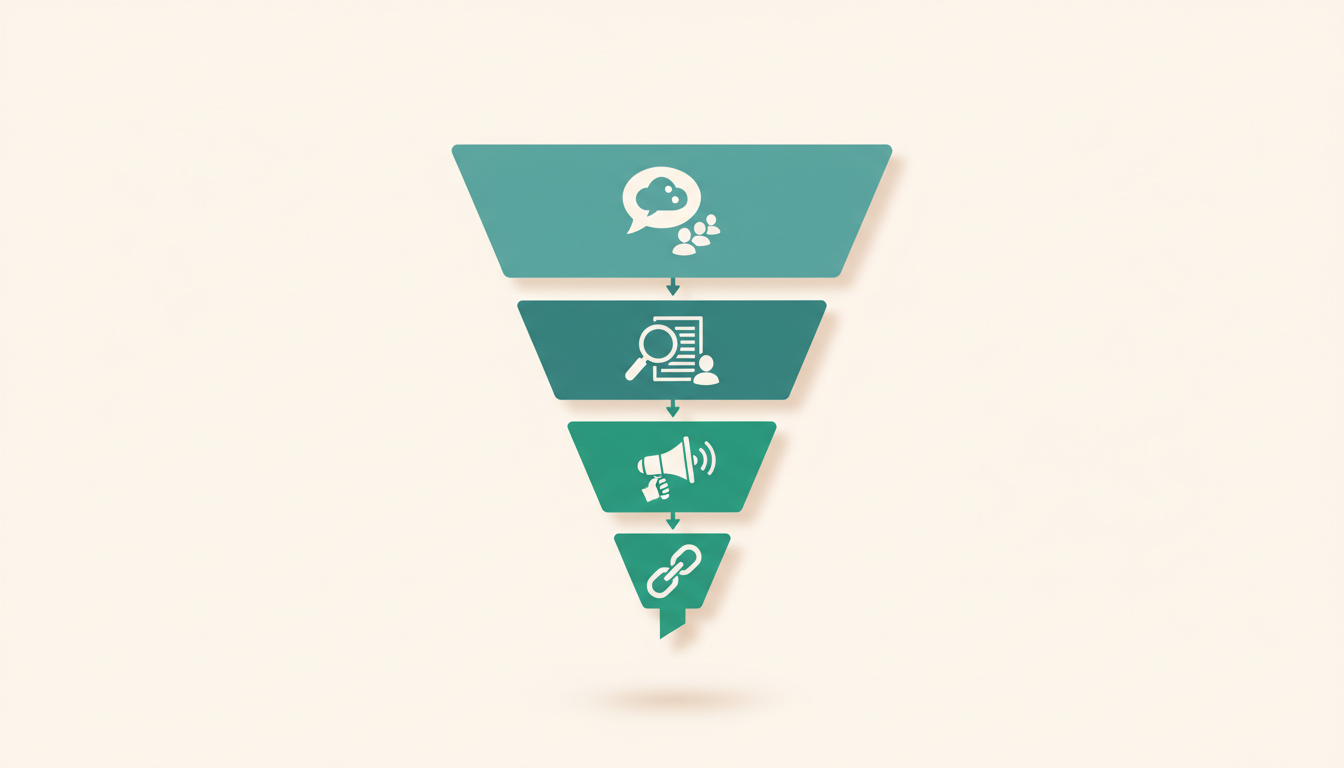
Brand mention link building is a five-step process: monitor mentions, qualify the page, find the right contact, send a personalized outreach, and follow up politely. The key advantage is that the site has already referenced your brand — you're not cold prospecting.
Start by tracking your brand name, product names, and common misspellings using search operators and tools. Collect all unlinked mentions into a spreadsheet, scoring each by domain authority, relevance, and sentiment. Then identify the author, editor, or webmaster via LinkedIn or a site contact form.
Your outreach email should thank them for the mention, cite the exact article or quote, and suggest a relevant page to link to. Follow up once or twice if the page is valuable, but move on if you get no response. This tactic works best on reputable, relevant pages; it's weak when the mention is low-quality or hard to convert.
For a deeper dive into the mechanics, see unlinked mentions and manual link building.
Setting Up Monitoring
Monitoring is the foundation of brand mention link building. I use a two-tier approach: a free Google Alerts setup for basic coverage, plus a paid tool like Ahrefs or Semrush for deeper web and social monitoring. The free option misses a lot, so once you hit 50+ mentions a month, investing in a dedicated tool makes sense.
Search operators are essential. Use "your brand" -site:yourdomain.com to find external mentions. Combine with intitle: or intext: for more precision. The goal is to catch every unlinked citation before it becomes a missed opportunity.
I also monitor common misspellings and variations of my brand name. For a full list of tools, check the tools I rely on page.
Qualifying Mentions
Not all mentions are worth chasing. I filter by three criteria: domain authority (DR50+ is a good baseline), topical relevance to my site, and whether the mention is positive or neutral. Negative mentions rarely convert into helpful links.
I also check if the page already links to a competitor. If yes, that mention is gold — the author is open to citations. If the page is thin, outdated, or has very low traffic, I skip it. Quality over quantity is the rule here.
For prioritization methods, see how I judge links.
Outreach Best Practices
Outreach for brand mentions is simpler than cold outreach because the recipient already knows your brand. But it still requires personalization. I never use templates. Each email references the specific mention, names the author, and explains why a link helps their readers.
Keep it brief: three short paragraphs. Gratitude, context, ask. Avoid over-optimized anchor text — let the author decide how to link, or suggest a natural phrase. Follow up once after five business days, then move on.
For outreach templates and frameworks, see outreach & PR.
Risks to Avoid
Brand mention outreach can go wrong if you scale poorly. Sending 50+ generic requests per week burns relationships and can get your domain flagged. Limiting to 10–15 highly qualified outreach attempts per week keeps your efforts focused and respectful.
Another risk: chasing mentions on spammy or irrelevant sites just to get a link. A link from a low-quality page can harm your site's credibility. Also avoid over-optimizing anchor text — natural variations work best.
Finally, never use automation for the outreach itself. Personalization is key. For more on risk management, read risk & hats.
Measuring Success
Track your conversion rate (mentions turned into links) and the resulting traffic and ranking changes. I log each outreach attempt in a spreadsheet with notes on the response. A 15–30% conversion rate on qualified mentions is typical.
Also monitor if the linked pages start ranking better. Brand mention links from authoritative, relevant pages can improve your site's overall authority. Combine this with link earning and digital PR for a balanced strategy.
Brand mention monitoring and outreach options
Here’s a comparison of tools for tracking brand mentions:
| Option | What it is | Strength | Weakness | Typical use |
|---|---|---|---|---|
| Google AlertsFree, basic alerting for new mentions. | Free | Simple setup | Misses a lot of web coverage | Budget monitoring |
| AhrefsUsed by SEOs for brand monitoring and link research; strong for prioritizing link opportunities. | Paid | Strong SEO context | Not a pure social listening tool | Finding unlinked mentions and evaluating pages |
| Semrush Brand MonitoringBrand-monitoring workflow inside a broader SEO suite. | Paid | Integrated with SEO workflows | Requires subscription | Tracking web mentions and outreach lists |
| Mention.comDedicated web and social monitoring product. | Paid | Broad mention tracking | Extra cost for full usage | Continuous monitoring across channels |
| Brand24Dedicated social and web monitoring tool with mention tracking. | Paid | Good for ongoing monitoring | Another tool to manage | Brand monitoring and alerting |
| Social MentionOften used as a free social-search concept/tool name, but coverage and reliability are limited compared with paid monitors. | Free or limited | Low-cost discovery | Weaker coverage and consistency | Quick spot checks and social search |
Arguments for
- Targets people who already know your brand, so outreach is warmer than cold prospecting.
- Can produce links from pages that already have editorial intent and topical fit.
- Useful for reclaiming missed attribution on news, reviews, roundups, and citations.
- Pairs well with digital PR and content marketing.
Arguments against
- Coverage is incomplete unless you use multiple monitoring sources.
- Many mentions are not worth pursuing — qualification takes time.
- Response rates depend on the publisher's willingness, not on your request.
- Manual qualification and outreach can eat time fast.
What the experts say
Brand mentions are a useful signal, but they are not a direct ranking factor. The context and relevance of the mention matter more than the mere presence of a link.
If someone already wrote about you, asking for a link is one of the easiest conversion in link building. But only if the mention is on a page with real editorial value.
What it costs (and why prices are unreliable)
Monitoring costs range from free/basic (Google Alerts, limited social search) to paid subscriptions for tools like Ahrefs, Semrush, Mention.com, and Brand24. The real cost driver is volume: how many brands, languages, channels, and alerts you need to monitor, plus the labor to qualify and pitch each mention. Expect to spend $50–$500+ per month on tools if you exceed 50 mentions per week.
Frequently asked questions
How many brand mentions convert to links?
15–30% for qualified mentions (DR50+, relevant content). Mass outreach drops this below 5%.
Should I pay for brand mention tools?
Only if manually checking Google Alerts + search operators becomes unmanageable (typically at 50+ mentions/month).
What's the best first outreach message?
Lead with gratitude for the mention, cite the specific article/quote, and suggest a relevant link for readers. Keep it under 150 words.
How often should I check for new mentions?
Weekly for active campaigns, monthly for maintenance. Use automated alerts when possible.
What does brand mentions mean in SEO?
It means any online reference to your brand, product, or company, whether or not it includes a hyperlink. Unlinked mentions are a common link building opportunity.
Does brand mention link building still work in 2026?
Yes, but selectively. Turning relevant unlinked mentions into links can help your SEO, while chasing low-quality or irrelevant mentions usually does little. It's a cleanup tactic, not a scalable growth driver.
Sources
Every factual claim on this page is drawn from the following independent sources. Links open in a new tab.
- Rebelgrowth — Search operators, monitoring setup, scoring mentions, and outreach wording.
- LinkBuildingHQ — Finding mentions across web/social, follow-up workflow, and converting mentions into links.
- Safari Digital — Definition of brand mention link building as turning mentions into backlinks.
- Semrush — Brand mentions tracking and the outreach step of asking for a link.
- Search Engine Land — Using tools like Semrush or Google Alerts, prioritizing authoritative mentions, and setting up a repeatable workflow.
- Search Engine Journal — Tracking unlinked mentions, prioritizing quality domains, and outreach best practices.
- SEO.ai — Monitoring tools, timing of outreach, personalization, and using PR/content to generate mentions.
- Brand24 — Brand monitoring, creator outreach, and ongoing engagement to increase mentions.