
Crowdfunding Link Building
Crowdfunding link building is the tactic of earning backlinks by donating to campaigns that publicly list supporters with website links. It can produce real backlinks, but the supply is inconsistent and the effort often doesn't pay off. I've tried it a few times – sometimes it works, often it doesn't.
This guide covers step-by-step execution, effectiveness benchmarks, and risk mitigation for crowdfunding links. I'll also compare it to more reliable tactics like broken link building.
At a glance
- Best for
- Niche-relevant campaigns with clear link policies
- Worst for
- Scalable link acquisition
- Risk level
- Medium (potential footprint issues)
How crowdfunding link building works
Effectiveness benchmarks
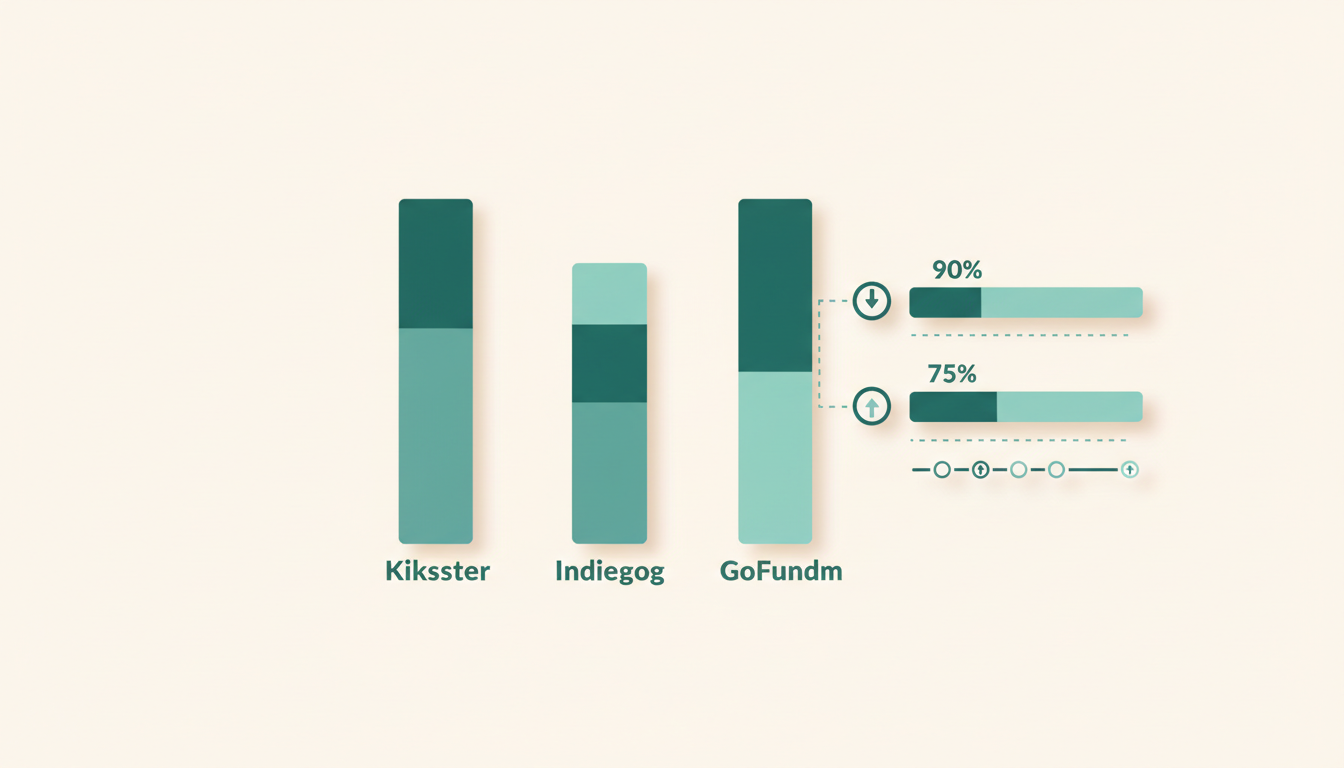
Platform comparison
How to find qualifying campaigns
site:kickstarter.com "link to your website" or site:indiegogo.com "donor page". Look for phrases like "backer rewards," "sponsor recognition," or "thank you page." Check the campaign FAQs and reward tiers carefully. Many campaigns list “website link” as a reward for a certain donation level. But don't rely on that alone – send a quick message to confirm. I've found that campaigns in tech, gaming, and creative arts are more likely to offer this than charity or personal causes. For more structured prospecting, see How to Get Backlinks.Step-by-step workflow
Risks and mitigation
When to use crowdfunding link building
Tactics often confused with crowdfunding link building
Crowdfunding link building is often confused with other tactics. Here’s how it compares:
| Tactic | What you do | Scale | Typical cost | Risk / trade-off |
|---|---|---|---|---|
| Crowdfunding link buildingDonate or back a campaign that publicly lists supporters with links. | Search campaigns, contribute, submit details | Low | Donation amount; sometimes $25–$100 per link per guide[4] | Inconsistent; not every campaign links; limited scalability[1][4] |
| Broken link buildingFind dead links on relevant pages and suggest your resource as a replacement. | Find broken URLs, verify alternatives, pitch replacement | Medium | Mostly labor/time; tools may cost extra | More scalable than crowdfunding, but outreach-heavy; success depends on relevance[10] |
| Guest postingWrite content for another site in exchange for attribution links. | Pitch topic, write article, get published | Medium to high | Time, content production, sometimes fees | Can scale, but quality varies and spam risk rises fast if abused[9] |
| Scholarship linksCreate a scholarship page and pitch colleges for inclusion. | Create scholarship, contact institutions | Low to medium | Usually expensive; scholarship award plus outreach | Can be effective but costly and often overused[7] |
| Resource-page outreachAsk curators to add your resource to relevant lists. | Find resource pages, pitch inclusion | Medium | Mostly labor/time | Works when your asset is genuinely useful; otherwise ignored[10] |
Arguments for
- Can earn backlinks from legitimate campaigns when done right.
- Lower risk than outright link buying when the donation is genuine.
- May provide brand visibility beyond the SEO link.
Arguments against
- Hard to scale; qualifying campaigns are rare.
- Links may be nofollow or on low-traffic pages.
- Success depends on the organizer’s rules, not just outreach skill.
What it costs (and why prices are unreliable)
No standard market price exists. The main direct cost is the contribution or donation itself, which some guides place around $25–$100 for a backlink on certain campaigns, but that is campaign-specific and not guaranteed.
Frequently asked questions
Do crowdfunding links pass PageRank?
Only if follow (40% of cases). Most platforms default to nofollow for supporter lists.
How to find campaigns offering links?
Search for "backer rewards" or "sponsor recognition" in campaign descriptions. Contact organizers directly to confirm.
What's the minimum donation for a link?
Typically $25-$50, but some tech/creative campaigns require $100+ for link placement.
Can this trigger Google penalties?
Unlikely if done sparingly with relevant campaigns. Bulk-buying unrelated links risks manual actions.
How to track link placement?
Use backlink monitoring tools like Ahrefs or Majestic and set calendar reminders to check 2-4 weeks post-donation.
Sources
Every factual claim on this page is drawn from the following independent sources. Links open in a new tab.
- Editorial.Link — Basic workflow: donate, submit details, monitor donor lists and thank-you pages for link placement.
- Outreach Monks — Search operators, campaign prospecting, need to confirm link terms before donating, and the tactic’s 2026 relevance.
- Search Logistics — Search queries for finding crowdfunding opportunities and donor-page style placements.
- Blue Tree Digital — Typical contribution range, verification steps, and the need to check whether links are dofollow.
- SEO.co — Three-step process: search opportunities, contribute, wait for placement.
- Siege Media — Broken link building as a more standard link-building strategy for comparison.
- Backlinko — Crowdfunding as one tactic among many and broader context that it is niche compared with other strategies.