
Linkable Assets - Proven Formats & ROI Benchmarks
I've seen too many people pour money into content that no one links to. A linkable asset isn't just a well-written article — it's a piece of content designed from the ground up to solve a citation problem for publishers. That distinction matters.
This guide covers the formats that actually earn links, how to validate an idea before you build it, and what benchmarks to expect. I'll also touch on how infographics and link baiting overlap with this strategy.
At a glance
- Minimum Budget
- $3,000 (micro-study) to $50,000 (interactive tool)
- Time to First Links
- 4-8 weeks with active promotion
- Link Velocity Peak
- Months 3-6 post-launch
- Effort Level
- High upfront, medium maintenance
Core Asset Types by ROI
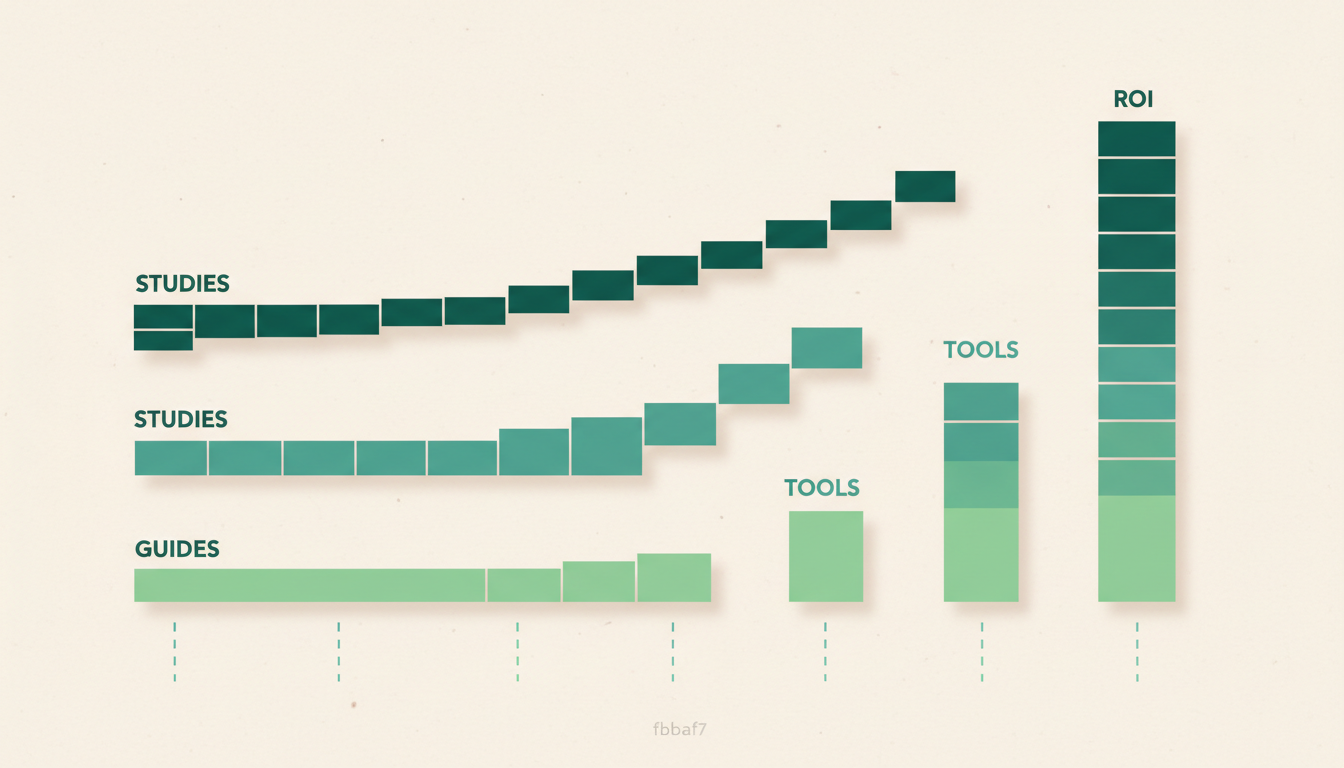
Not all linkable assets are created equal. Based on data from Ahrefs and Moz, here's what I've seen work consistently:
- Original Research Studies (Highest ROI): 42% of top-linked assets in Ahrefs' analysis fall into this category. They require credible methodology and data visualization, but the payoff is huge.
- Interactive Tools: Moz found these earn 5.8x more backlinks than static content. A mortgage calculator for a finance niche, for example, can keep earning links for years.
- Definitive Guides: 200+ page "Wikipedia-style" resources that are updated frequently. They work when search intent is informational and the page can become the canonical source.
- Niche Directories: Only viable for underserved verticals like legal specialties. They're cheaper to produce but have lower link potential.
I usually steer clients toward original studies or interactive tools if the budget allows. They're harder to replicate and earn more editorial links over time.
Validation Process
Before you spend a dime on design or writing, validate the idea. Here's my process:
- Citation Demand: Use link analysis tools to check competitor backlinks for similar assets. If no one is linking to comparable content, there might be no demand.
- Gap Analysis: Find outdated references — old statistics, broken tools, or guides that haven't been updated in years. That's your opening.
- Promotion Pathways: Identify 50+ target publishers with a history of linking to comparable content. If you can't find them, the asset will likely fail regardless of quality.
This step alone can save you from building something nobody wants. I've skipped it before and regretted it every time.
How to Build a Linkable Asset
Once you've validated the idea, the build phase has three parts: research, creation, and optimization for linkability.
Research: Use Ahrefs Content Explorer to find content formats that already earn links in your niche. Then build a better version — more data, better visuals, clearer methodology.
Creation: Make it easy to reference. Use clear headings, charts, summaries, and a methodology section. If it's a tool, make it embeddable. If it's a study, include a press-friendly summary.
Optimization for linkability: Add embed codes, shareable snippets, and a "cite this" section. The less friction a publisher faces, the more likely they are to link.
For more on the creation side, see my guide on link earning and natural link building.
Promotion and Distribution
This is where most linkable assets fail. You can't just publish and hope. I use a multi-channel approach:
- Direct outreach: Pitch to relevant publishers, bloggers, and journalists. See my outreach guide for templates.
- Community sharing: Post in niche forums, subreddits, and LinkedIn groups where your target audience hangs out.
- Email list: Your own subscribers can be the first to share and link.
- Digital PR: For original studies, a press release or journalist pitch can generate coverage. See newsjacking for timing tips.
I track link velocity (links per week) and referral traffic from day one. If I don't see traction within 4-6 weeks, I adjust the pitch or the asset itself.
Measuring Success
I track three primary metrics for linkable assets:
- Link velocity: How many new links per week? Peak is usually months 3-6 post-launch.
- Referral traffic: Are the linking pages sending visitors? A link from a relevant page with real traffic is usually more valuable than ten links from random directories.
- Branded search lift: Are more people searching for your brand after the asset goes live? This is a strong signal of earned authority.
For more on how I judge link quality, see How I judge links.
Risks and Limitations
Linkable assets are not a silver bullet. Here's what can go wrong:
- Thin or derivative content: If your asset is just a rehash of existing information, it will be ignored. Originality is non-negotiable.
- No promotion budget: Building a great asset and not promoting it is like opening a store in a desert. Budget for outreach.
- Slow payoff: It can take 6-12 months to see full ROI. If you need quick wins, this tactic isn't for you.
- Cost overruns: Paid promotion, agencies, or vendors can inflate costs quickly. I've seen $10k assets earn zero links because distribution was neglected.
For a broader view of risks, see Risk & hats.
Linkable asset formats
Different formats of linkable assets vary in effort, upside, and risk. Here's a breakdown of the most common types:
| Format | Typical effort | Typical upside | Risk / notes |
|---|---|---|---|
| Statistics page / original studyBest for citations when the niche needs fresh numbers or benchmarks. | High | High | Strong link potential if methodology is credible; slower and more expensive to produce.[2][8] |
| InfographicEasy to pitch and embed, but the concept is crowded. | Medium | Medium | Works better when the data is unique; otherwise it becomes generic link bait.[4][5] |
| Interactive tool / calculatorOften the most useful if it solves a practical problem. | High | High | Can earn repeat links over time; engineering cost is the main barrier.[3][5] |
| Comprehensive guideGood when search intent is informational and the page can become the canonical resource. | Medium | Medium | Needs depth, freshness, and strong internal promotion to stand out.[5][9] |
| Case studyUseful for proof and credibility, but usually narrower than data-led assets. | Medium | Medium | Links depend on whether the story is unusual or teachable.[9] |
| Curated resource pageCheaper than original research and easier to maintain. | Low-Medium | Low-Medium | Can still earn links if it is the best organized source in the niche.[8] |
Arguments for
- Can earn editorial backlinks that are harder to fake
- Works across many niches when the asset fills a real information gap
- Supports brand authority, not just rankings
- Can keep earning links long after launch if updated
Arguments against
- High upfront effort relative to simpler tactics
- No guarantee of links; good assets still fail if no one sees them
- Design and distribution often cost as much as the writing
- Data-heavy assets need real research, not recycled content
What the experts say
The best linkable assets are those that solve a real problem for the people you want to link to you. It's not about tricking them; it's about being useful.
I've found that interactive tools and original studies consistently outperform other formats. They're harder to create, but the link potential is much higher.
What it costs (and why prices are unreliable)
There is no standard market price for linkable assets because costs depend on research, design, development, and outreach. A practical range is "low hundreds" for a basic curated page, "thousands" for a polished infographic or guide, and "more" for original studies, tools, or interactive assets; paid promotion and agency execution can add materially to that cost.
Frequently asked questions
What's the minimum viable budget for a linkable asset?
$3,000 can produce a micro-study with limited promotion. Effective campaigns typically start at $15k including outreach.
How many links should a successful asset earn?
Benchmarks vary by niche: 50+ links for competitive sectors, 15+ for specialized B2B. Top 5% assets earn 200+ links.
Can AI-generated content work as linkable assets?
Only if augmented with original data or analysis. Pure AI content lacks the novelty required for editorial links. See my AI SEO page for more.
How long does it take to see results?
First links usually appear within 4-8 weeks with active promotion. Peak link velocity is months 3-6 post-launch. Full ROI can take 6-12 months.
What's the difference between a linkable asset and regular content?
A linkable asset is designed specifically to attract citations from publishers. Regular content is written for readers. The two can overlap, but a linkable asset prioritizes citeability — data, visuals, embed codes, and methodology.
Should I build multiple assets or focus on one?
Start with one well-validated asset. If it works, build a portfolio over 12 months. A single great asset beats five mediocre ones.
Sources
Every factual claim on this page is drawn from the following independent sources. Links open in a new tab.
- Mailchimp — Definition of linkable assets; creation and promotion steps.
- SEOProfy — Data-led asset workflow; prospecting and outreach guidance.
- SERPsGrowth — Asset characteristics; visuals, structure, embed codes, and prospecting.
- Moz — Concrete asset ideas and link acquisition methods.
- Ahrefs — Asset types, Content Explorer workflow, outreach, and promotion examples.
- WooRank — Qualities of a good linkable asset, including visuals and methodology.
- FasterCapital — Promotion channels and distribution methods.
- Link Building Journal — Timeline and staged portfolio approach for asset creation and maintenance.